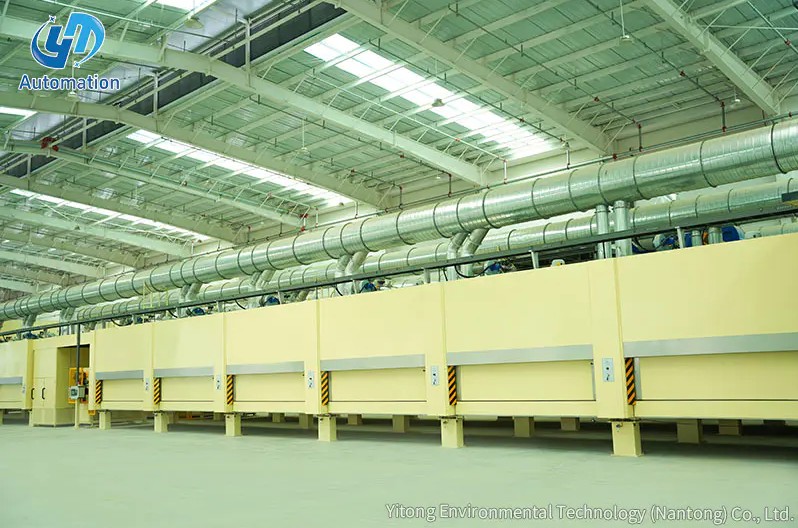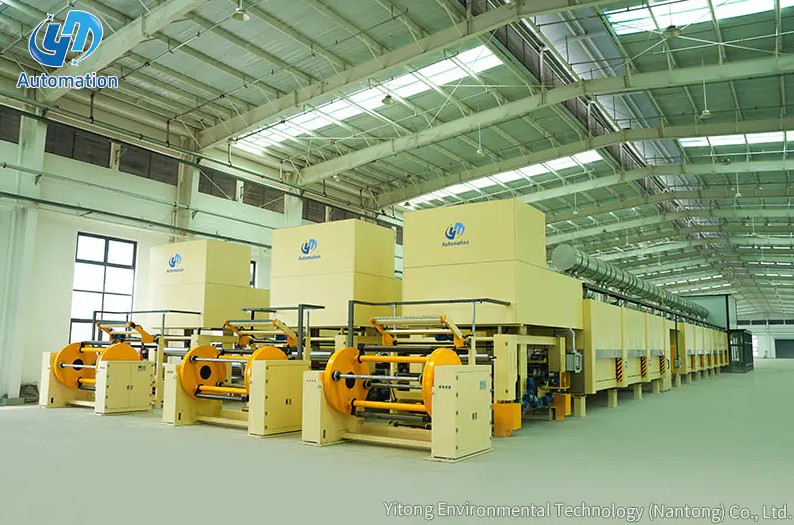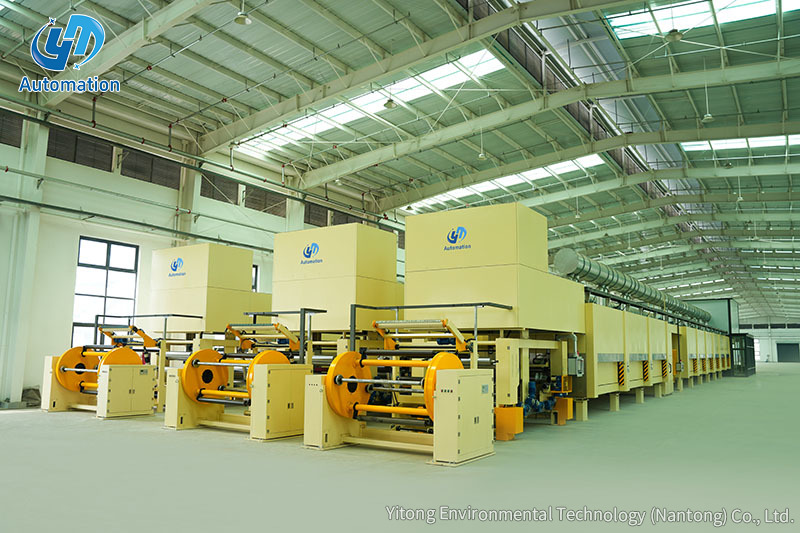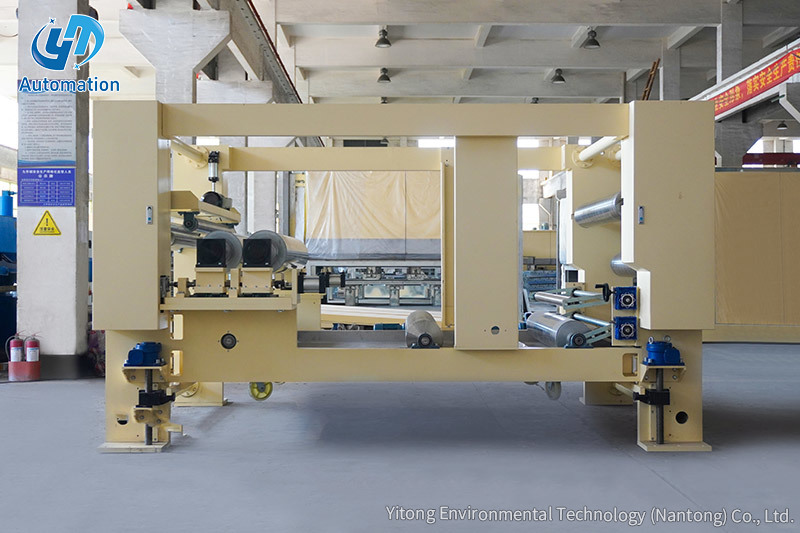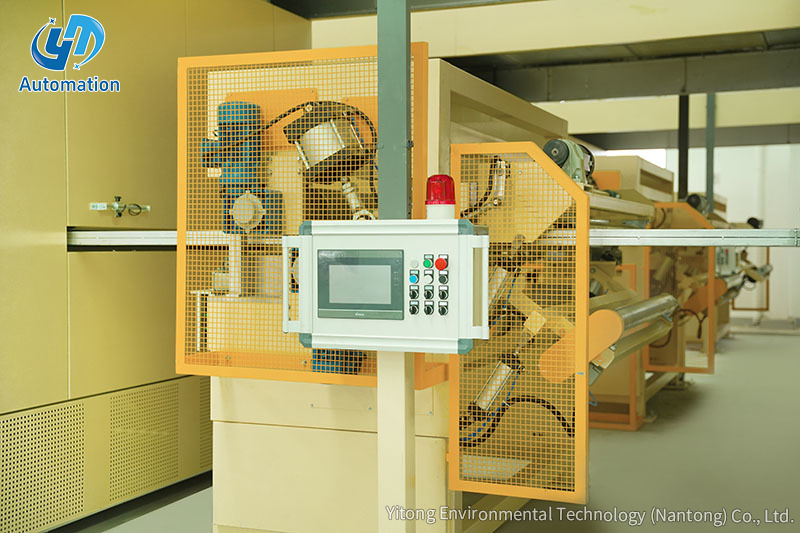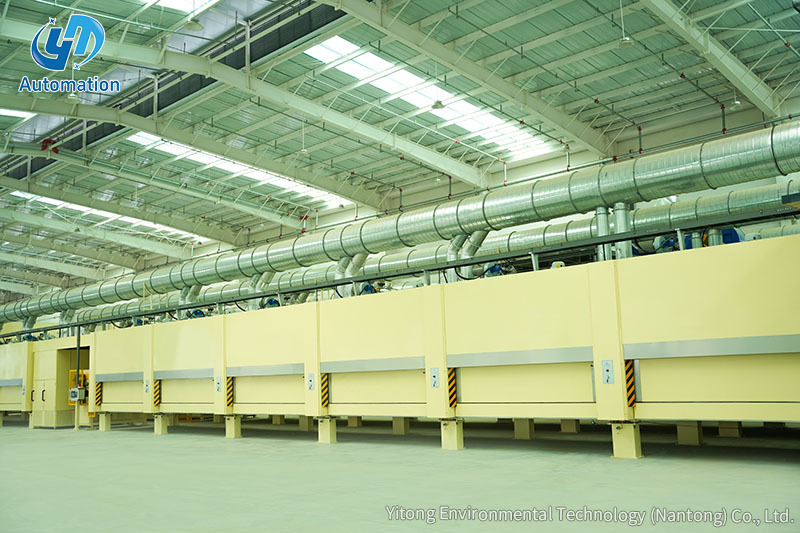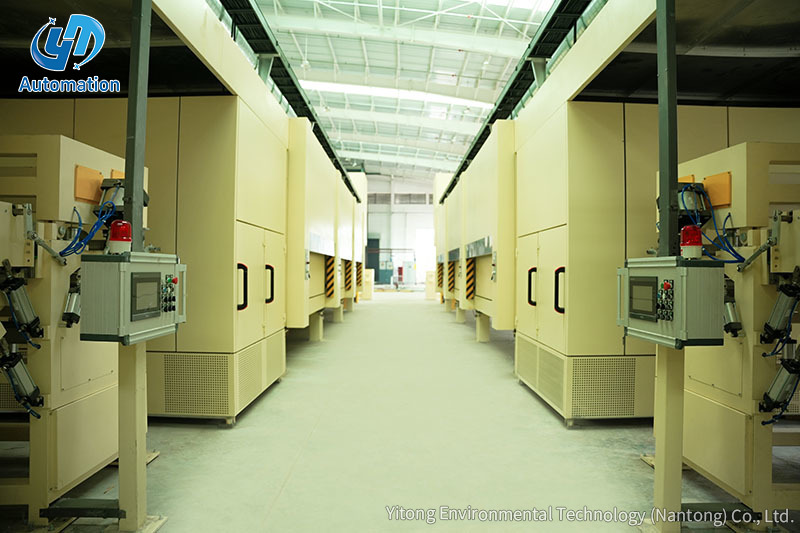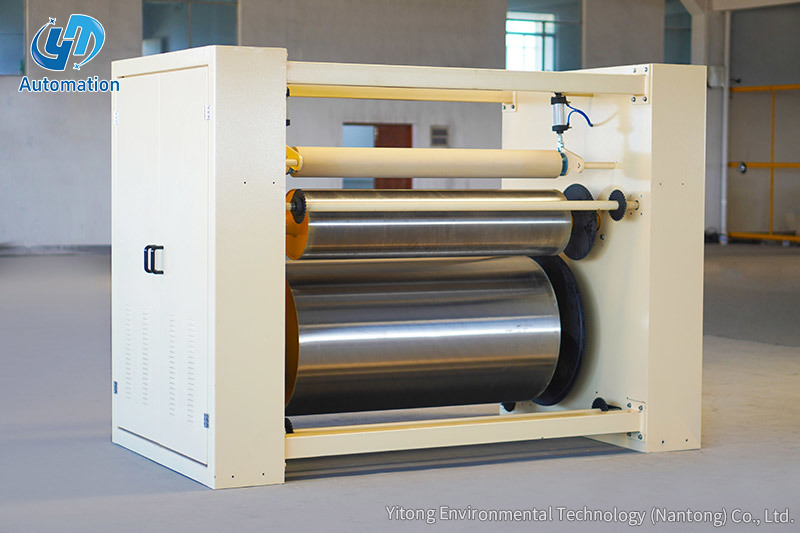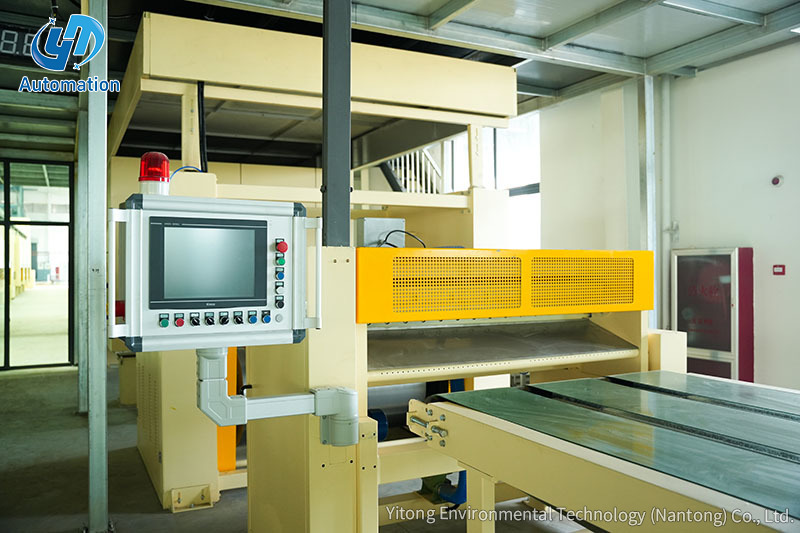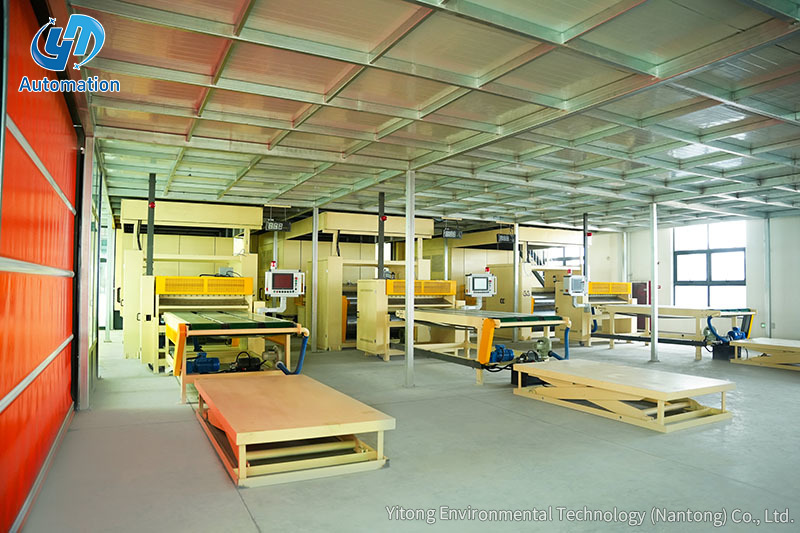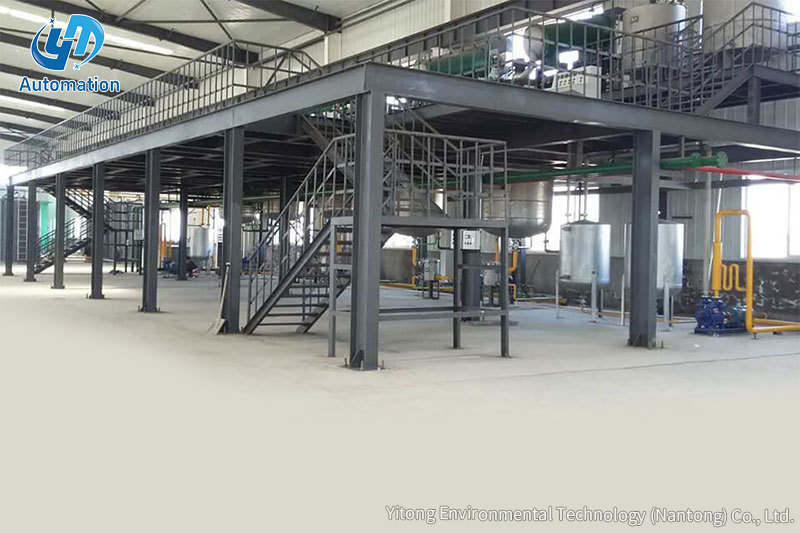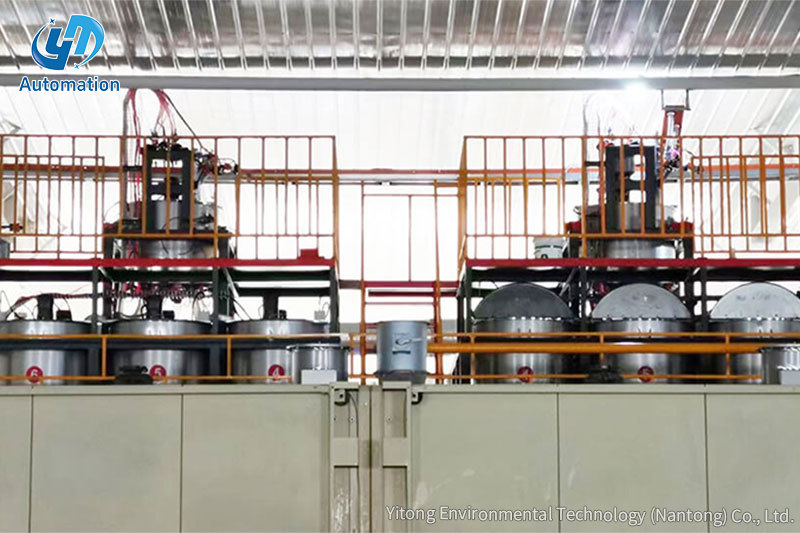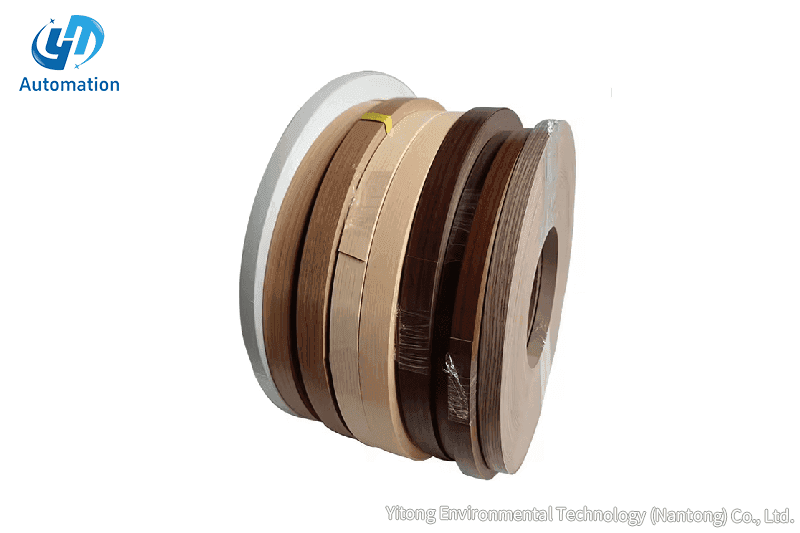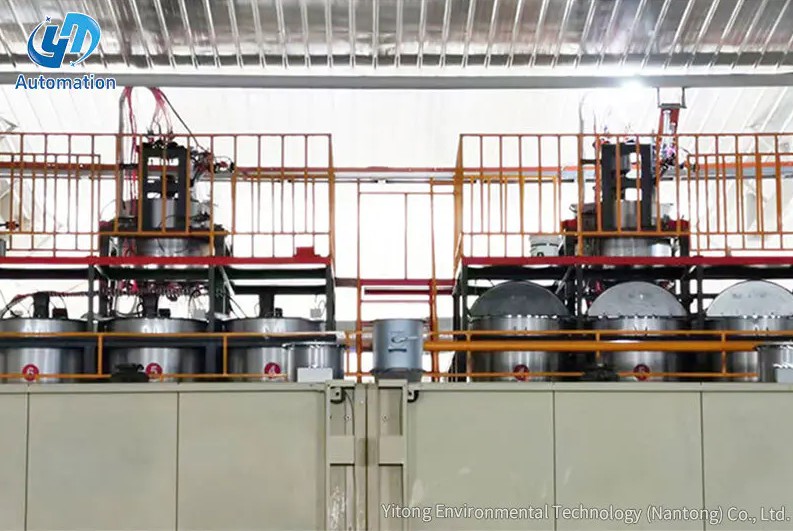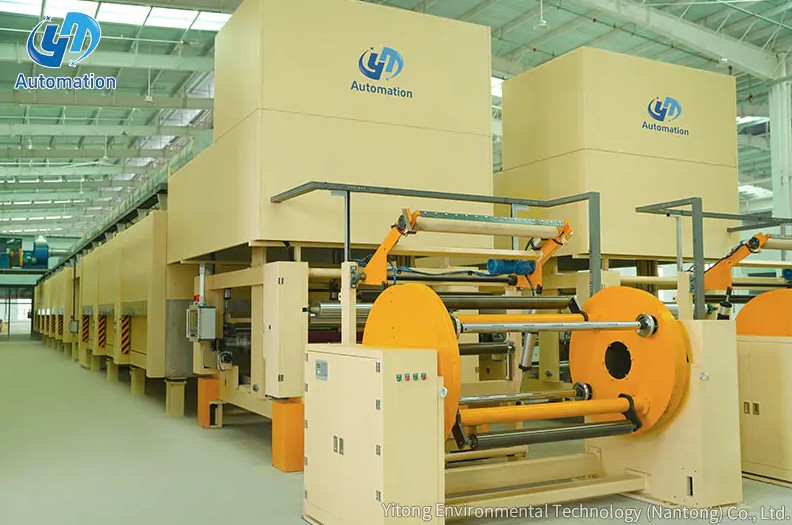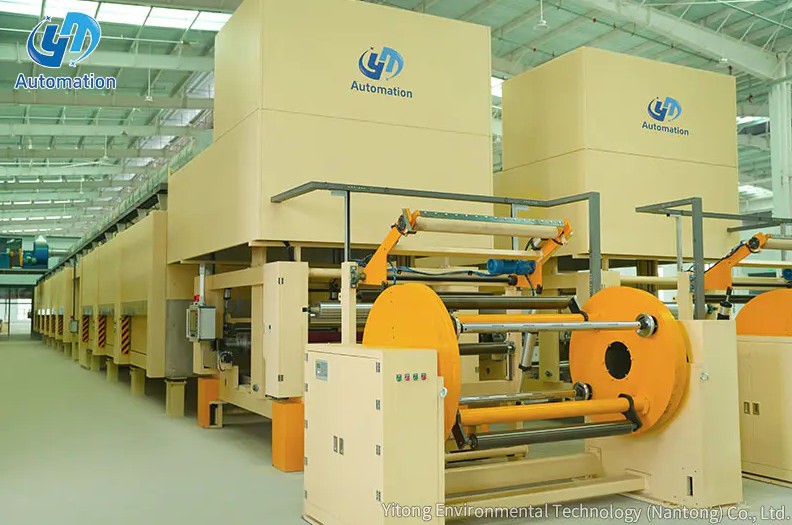
An Líne Tuile sáithíonn páipéar cosúil le páipéar maisiúcháin, páipéar forleagan nó páipéar kraft le roisín leachtach, ansin triomaíonn agus leigheasann sé go páirteach an leathán ionas gur féidir é a bhrú go te ar na painéil chun urláir laminate, dromchlaí troscáin nó leatháin laminate ardbhrú a dhéanamh. Téann an páipéar trí fholcadán roisín, téann sé thar rollóirí méadraithe chun meáchan piocadh a rialú, agus ansin bogann sé trí oigheann ilchrios áit a ardaíonn an teocht ó thart ar 100 céim Celsius go 160 céim Celsius de ghnáth. Is iondúil go dtiteann an timthriall iomlán ón scaoileadh go dtí an athchasadh faoi dhá bhomaite ag brath ar chineál páipéir agus luas líne.
Leanann gach líne líonta an t-ord bunúsach céanna céimeanna, cé go n-athraíonn fad líne, luas agus córais rialaithe de réir an mhonaróra. Is fusa saincheisteanna cáilíochta a dhiagnóiseadh níos déanaí má bhíonn a fhios agat cad a tharlaíonn ag gach céim.
Tá rollaí páipéir amh suite ar sheastán unwind atá feistithe le braiteoirí teannais. Coscann teannas comhsheasmhach wrinkling agus coinníonn sé an páipéar cothrom agus é ag dul isteach sa dabhach roisín, rud atá tábhachtach toisc go bhfuil teannas míchothrom ar cheann de na príomhchúiseanna le patrúin maisiúcháin mí-ailínithe tar éis brú.
Tá an páipéar báite i ndabhach roisín nó brataithe ag baint úsáide as preas méide, rud a ligeann dó roisín a ionsú de réir a phóiriúlacht agus a mheáchan bonn. Glacann páipéar maisiúchán roisín go coitianta le hábhar roisín deiridh a bhaint amach 25 go 35 faoin gcéad de réir meáchain , raon dá dtagraítear go forleathan i dtreoirlínte déantúsaíochta laminate maisiúil arna bhfoilsiú ag Cónaidhm Painéil na hEorpa.
Tar éis an folctha, cuireann na rollóirí méadraithe an iomarca roisín amach chun an spriocmheáchan bailithe a bhaint amach, agus ansin téann an leathán fliuch isteach in oigheann triomú ilchrios. Cuireann méaduithe teochta de réir a chéile cosc ar fheannadh dromchla, rud a d’fhéadfadh taise a ghabháil agus blistering a chur faoi deara le linn na céime práinne deiridh.
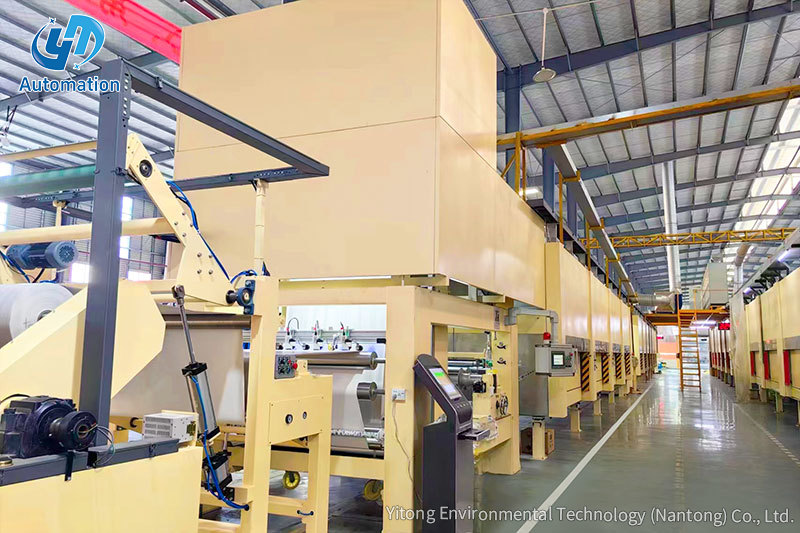
Is é an oigheann an chuid is tábhachtaí den líne toisc go gcinnfidh sé cé chomh maith agus a leigheasann an roisín agus cé mhéad taise atá fós sa pháipéar críochnaithe. Roinntear an chuid is mó d’oighinn i gcriosanna iolracha téimh ionas gur féidir leis an teocht ardú de réir a chéile seachas léim chuig buaicteas láithreach.
| Crios Oighinn | Neas-Teocht | Cuspóir |
| Crios iontrála | 100 go 120 céim Celsius | Galú taise tosaigh |
| Crios lár | 120 go 145 céim Celsius | Curing roisín forásach |
| Crios scoir | 145 go 160 céim Celsius | Céim deiridh leigheas roimh fuaraithe |
Go ginearálta coinnítear thart ar ábhar sprioc-so-ghalaithe iarmharach tar éis a thriomú 6 go 8 faoin gcéad , ós rud é go ndéanann an leibhéal seo solúbthacht páipéir a chothromú le neart nasctha cuí le linn brú te. Ár Líne Tuile úsáideann rialú teochta crios neamhspleách ionas gur féidir le hoibreoirí an cuar seo a mhionchoigeartú do chineálacha éagsúla roisín gan an oigheann a athdhearadh.
Tar éis curing, téann an páipéar trí chuid fuaraithe chun a theocht a chobhsú sula ndéantar é a láimhseáil tuilleadh. Ag brath ar an táirge deiridh, gearrtar an leathán ina mhéideanna caighdeánacha chun é a bhrú nó a athfhillte i rollaí le haghaidh stórála agus iompair.
Éilíonn táirgí éagsúla iartheachtacha córais roisín éagsúla agus sonraíochtaí páipéir, agus is é sin an fáth go ndéantar línte tuile a chumrú go minic thart ar úsáid deiridh ar leith seachas a bheith tógtha mar mheaisín uilíoch amháin.
| Iarratas | Roisín tipiciúil | Meáchan Bunús Páipéar |
| Ciseal caitheamh urláir laminate | Formaildéad meilimín | 25 go 40 gram in aghaidh an mhéadair chearnaigh |
| Páipéar decor troscán | Formaildéad meilimín | 60 go 130 gram in aghaidh an mhéadair chearnaigh |
| Croílár laminate ardbhrú | Formaildéad feanól | 150 go 300 gram in aghaidh an mhéadair chearnaigh |
Ár Líne Tuile a chumrú chun gach ceann de na catagóirí páipéir seo a láimhseáil, rud a thugann ardán táirgeachta aonair do mhonaróirí urláir, troscán agus páipéar laminate struchtúrach gan aistriú idir meaisíní ar leith.
Ciallaíonn tuiscint ar an bpróiseas freisin tuiscint a fháil ar cad is féidir dul mícheart. Téann formhór na lochtanna i bpáipéar líonta siar go dtí ceann amháin de roinnt bunchúiseanna ag céimeanna sonracha den líne.
Cuidíonn gnáthchalabrú braiteoirí teannais, rollóirí méadraithe agus teirmeabúplaí oigheann chun na saincheisteanna seo a chosc sula gcuireann siad isteach ar cháilíocht an phainéil chríochnaithe.
Ní táirge críochnaithe é páipéar líonta leis féin, ach cinneann sé go díreach cáilíocht dromchla, marthanacht agus cuma na bpainéal laminate a dhéantar as. Laghdaíonn próiseas tuilte dea-rialaithe dramhaíl ag céim an bhrú te agus feabhsaíonn sé comhsheasmhacht ar fud na mbaisceanna táirgthe, agus is é sin an fáth go gcaitheann muilte páipéir agus monaróirí painéil an chéim seo mar chuid lárnach dá gcóras cáilíochta seachas oibriú sciath simplí. Roghnú dea-innealtóireacht Líne Tuile ón tús cuidíonn sé le lochtanna athfhillteacha a sheachaint agus tacaíonn sé le haschur cobhsaí thar rití fada táirgeachta.
Déan Teagmháil Linn
Táirgí Molta
Rachaimid isteach
Dteagmháil
Is monaróir é Yitong Environmental Technology (Nantong) Co., Ltd atá ag speisialú i dtrealamh tuile.


Déan Teagmháil Linn
Phone: +86-19555016088
Email: díolachá[email protected]
Add:Ó dheas de Bhóthar Haiyan, Siar ó Bhóthar Nanhai, Crios Taispeána Comhfhorbartha Abhainn-Farraige Tongzhou Bay Yangtze, Jiangsu, an tSín